
Choosing the right bathroom fixtures can transform the look, comfort, and functionality of your bathroom.
From faucets and showerheads to toilets, sinks, tubs, and lighting, every fixture plays an important role in creating a space that works well and looks great.
But with so many styles, finishes, sizes, and installation options available, deciding what to buy can feel overwhelming.
Table of Contents
This bathroom fixtures buying guide covers the essentials you need to know before starting your bathroom upgrade.
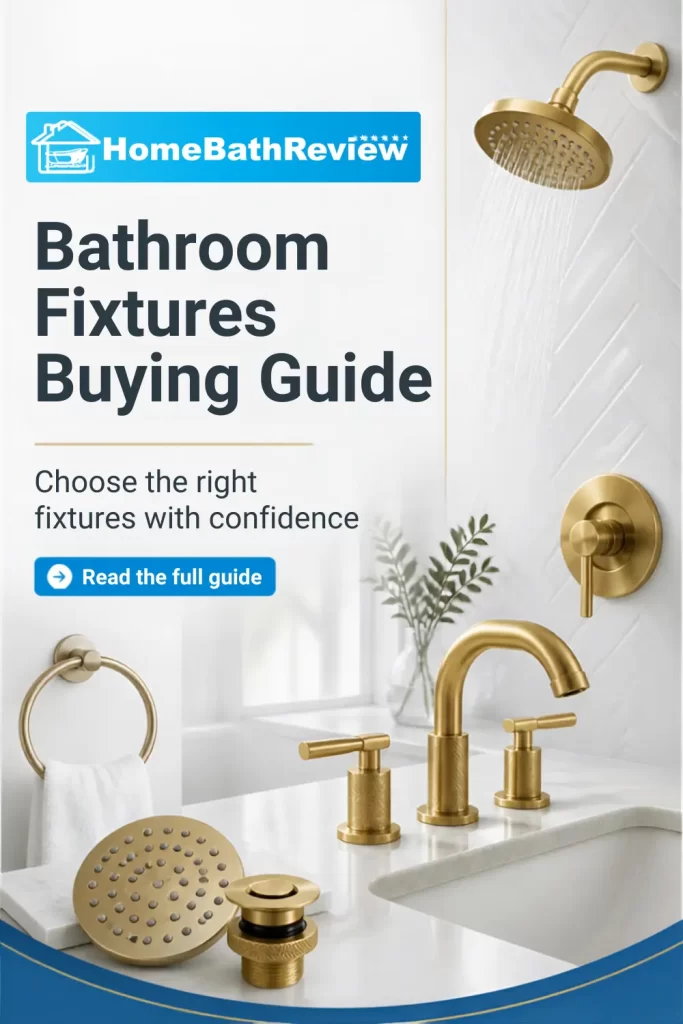
What Are Bathroom Fixtures?
Bathroom fixtures are the functional elements installed in a bathroom for plumbing, washing, bathing, and everyday use. Common bathroom fixtures include:
- Bathroom sinks and faucets
- Toilets
- Bathtubs
- Showerheads and handheld showers
- Shower valves and controls
- Bidets
- Bathroom lighting
- Shower doors and enclosures
- Towel bars and other bathroom hardware
Some fixtures are primarily functional, while others also contribute significantly to the bathroom’s overall design.
Why Choosing the Right Bathroom Fixtures Matters
Bathroom fixtures are used every day, so appearance shouldn’t be your only consideration. The best fixtures combine durability, functionality, water efficiency, ease of maintenance, and style.
Choosing the wrong size can make a small bathroom feel cramped, while incompatible plumbing or mounting requirements can make installation unnecessarily expensive.
Before purchasing anything, consider the bathroom’s available space, existing plumbing, household needs, and overall design.
Types of Bathroom Fixtures
1. Bathroom Sinks
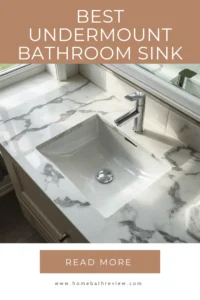
Bathroom sinks come in several installation styles, including undermount, vessel, drop-in, wall-mounted, pedestal, and console sinks.
Undermount sinks sit beneath the countertop and provide a clean, streamlined appearance. They’re particularly popular in modern bathroom vanities because the countertop is easy to wipe directly into the basin.
Vessel sinks sit above the countertop and can create a distinctive focal point, while wall-mounted sinks are useful when floor space is limited.
When choosing a sink, pay attention to:
- Overall dimensions
- Basin depth
- Material
- Overflow availability
- Faucet configuration
- Drain size
- Installation type
- Countertop compatibility
For smaller bathrooms, measuring the vanity and available countertop space before buying is especially important.
2. Bathroom Faucets
A faucet is both a functional necessity and a major design element. Popular faucet configurations include single-hole, centerset, widespread, wall-mounted, and single-handle designs.
When shopping for a bathroom faucet, check the number and spacing of holes in your sink or countertop.
A faucet that doesn’t match the existing configuration may require additional modifications.
Also consider:
- Water flow rate
- Handle design
- Spout height and reach
- Finish
- Ceramic cartridge quality
- Ease of cleaning
- Installation requirements
Chrome, brushed nickel, matte black, and brushed brass are among the most common finishes.
3. Toilets
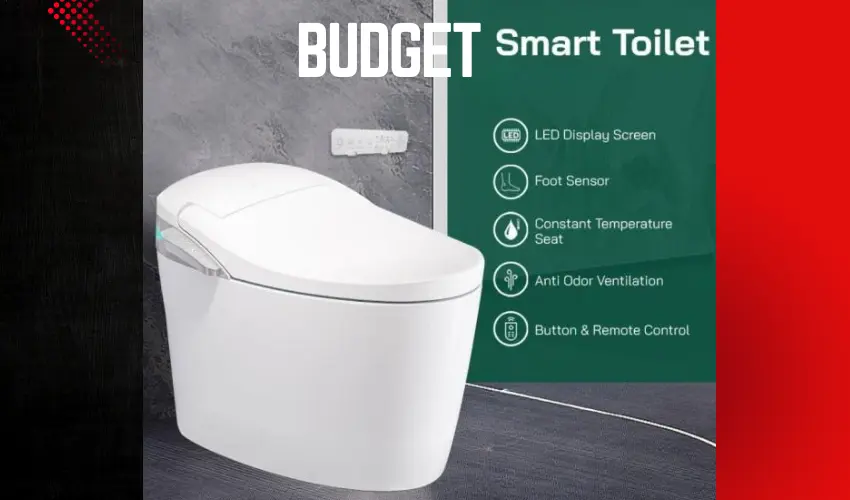
Toilets are available in many configurations, including two-piece, one-piece, wall-hung, comfort-height, dual-flush, and bidet-integrated models.
When choosing a toilet, consider:
- Rough-in measurement
- Bowl shape
- Toilet height
- Flush performance
- Water consumption
- Available bathroom space
- Ease of cleaning
A dual-flush toilet can provide different flush volumes for liquid and solid waste, while one-piece toilets generally have fewer seams to clean.
For bathrooms where traditional gravity plumbing isn’t practical, an upflush or macerating toilet may provide an alternative installation solution.
4. Bathtubs
Bathtubs range from compact alcove tubs to freestanding, clawfoot, soaking, and whirlpool models.
Your available space will largely determine which style makes sense.
Freestanding tubs can become a centerpiece in a larger bathroom, while alcove tubs are often a practical choice for standard bathroom layouts.
Clawfoot tubs offer a classic look and can work particularly well in vintage-inspired bathrooms.
Before buying a tub, check:
- Length and width
- Height
- Water capacity
- Drain location
- Faucet requirements
- Floor support
- Bathroom access
- Installation requirements
Remember that a bathtub must fit not only the finished bathroom but also the path used to bring it into the room.
5. Showerheads
A showerhead can have a surprisingly large effect on everyday comfort. Common options include fixed showerheads, handheld showerheads, dual shower systems, and rainfall showerheads.
Look for features such as:
- Adjustable spray settings
- Handheld functionality
- Easy-clean nozzles
- Water-saving performance
- Adjustable mounting
- Suitable water pressure
A handheld showerhead can also improve accessibility and make cleaning the shower or bathtub easier.
6. Shower Doors
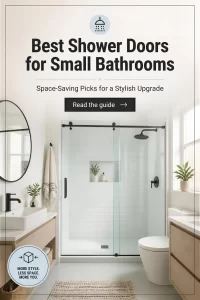
Shower doors are available in sliding, pivot, hinged, bi-fold, and frameless designs.
For a small bathroom, space efficiency is particularly important. Sliding and bi-fold doors generally require less clearance than traditional swinging doors.
Frameless glass doors can make a bathroom appear larger because they provide an unobstructed view of the shower area.
Before ordering a shower door, carefully measure the finished opening. Don’t rely solely on the rough opening dimensions because tile, backer board, and other wall finishes can affect the final measurements.
7. Bathroom Lighting
Lighting is often overlooked when choosing bathroom fixtures, but it can dramatically affect how the room looks and functions.
A good bathroom lighting plan typically combines:
- General or ambient lighting
- Vanity lighting
- Shower lighting
- Accent lighting
For vanity areas, lighting positioned around the face can help reduce shadows. Recessed or ceiling fixtures can provide general illumination, while decorative sconces can add character.
Choose fixtures specifically rated for their intended bathroom location and follow local electrical requirements.
How to Choose the Right Bathroom Fixture Finish
The finish you choose should complement the rest of the bathroom.
Chrome
Chrome is versatile, reflective, and relatively easy to coordinate with other fixtures. It’s a classic choice for bathrooms ranging from traditional to contemporary.
Brushed Nickel
Brushed nickel has a softer appearance than polished chrome and can help hide fingerprints and water spots.
Matte Black
Matte black creates a bold, contemporary look and works particularly well with white or neutral bathroom surfaces.
Brass
Brass finishes can add warmth and work well in traditional, vintage, transitional, and luxury bathroom designs.
The most important rule is consistency. You don’t necessarily need every fixture to have exactly the same finish, but the finishes should look intentional together.
Bathroom Fixture Materials
The material affects durability, maintenance, appearance, and price.
Common materials include:
- Vitreous china: Frequently used for toilets and sinks because it’s smooth, durable, and easy to clean.
- Ceramic: Common in sinks and bathroom surfaces, with a wide range of styles and finishes.
- Porcelain: Durable and moisture-resistant, making it popular for bathroom applications.
- Stainless steel: Resistant to corrosion and commonly used for hardware and some fixtures.
- Brass: Frequently used for faucets and plumbing components because of its durability.
- Acrylic: Lightweight and commonly used for bathtubs and shower components.
- Tempered glass: Used for shower doors and shelves because of its strength and clean appearance.
How to Measure Before Buying Bathroom Fixtures
Accurate measurements can prevent expensive mistakes.
Measure:
- Available width – Determine how much horizontal space the fixture has.
- Available depth – Important for vanities, toilets, tubs, and cabinets.
- Available height – Check clearance for mirrors, cabinets, shower doors, and lighting.
- Plumbing locations – Record where water supply and drain connections are located.
- Door clearance – Make sure fixtures won’t interfere with doors or drawers.
- Finished surfaces – Measure after tile and other wall finishes when purchasing items that fit inside a finished opening.
Always compare your measurements with the manufacturer’s installation specifications.
Water Efficiency and Bathroom Fixtures
Water-efficient fixtures can reduce water consumption without necessarily sacrificing performance.
Look for products designed with efficient water flow or flushing systems. Faucets and showerheads may use less water per minute, while toilets can use reduced flush volumes.
Water efficiency is particularly worth considering if you’re remodeling an entire bathroom because savings can accumulate over years of daily use.
Bathroom Fixture Installation: DIY or Professional?
Some fixtures are relatively straightforward DIY projects, while others are better left to professionals.
Good DIY Candidates
Depending on your experience, simpler projects may include:
- Replacing a showerhead
- Installing bathroom accessories
- Replacing some faucets
- Installing certain shelves
- Replacing light fixtures where permitted and appropriate
Consider Professional Installation For
Professional help is generally advisable for projects involving:
- New plumbing lines
- Moving drains
- Bathtub installation
- Shower door installation
- Major toilet relocation
- Electrical work
- Structural modifications
- Waterproofing
Incorrect plumbing or waterproofing can result in expensive water damage, so saving money on installation isn’t always worth the risk.
How Much Should You Spend on Bathroom Fixtures?
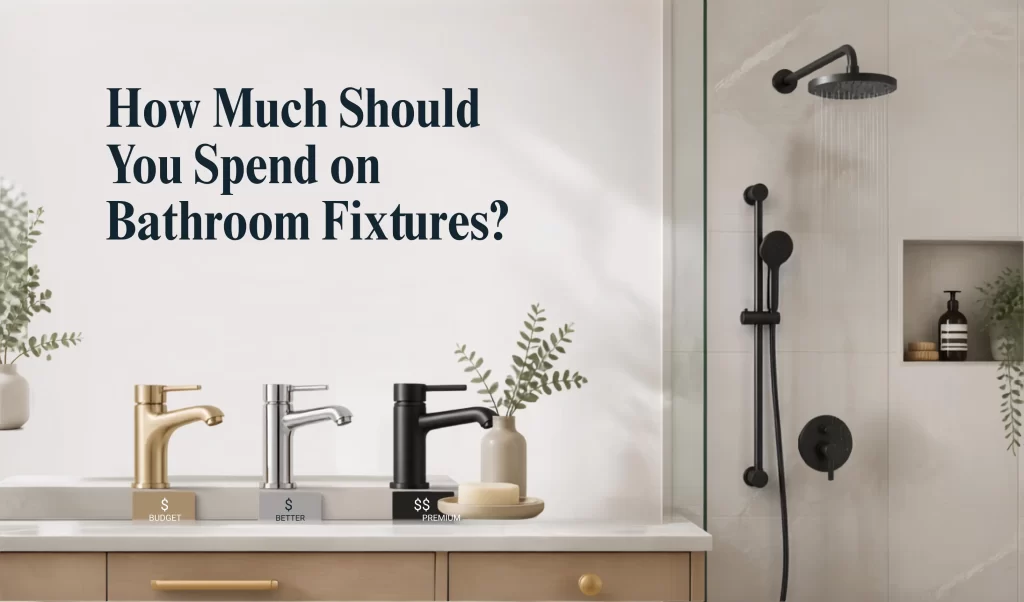
Bathroom fixture prices vary dramatically depending on materials, brand, design, features, and installation requirements.
Instead of focusing exclusively on the cheapest option, consider the total cost of ownership.
A higher-quality faucet, toilet, or shower fixture may cost more initially but could provide better durability and performance over time.
A useful approach is to divide your budget into three categories:
Essential: Fixtures that need to perform reliably, such as the toilet, faucet, sink, and shower system.
Design: Items where appearance is a major priority, such as decorative faucets, lighting, mirrors, and hardware.
Luxury: Features such as rainfall shower systems, freestanding tubs, smart toilets, heated accessories, or premium finishes.
Common Bathroom Fixture Buying Mistakes
Buying Without Measuring
One of the most common mistakes is ordering a fixture before confirming that it will fit.
Ignoring Plumbing Compatibility
A beautiful faucet or sink isn’t useful if it doesn’t work with your existing plumbing configuration.
Choosing Style Over Function
Design matters, but a fixture should also be comfortable and practical for everyday use.
Mixing Too Many Finishes
Combining finishes can work, but too many competing finishes can make the bathroom look disjointed.
Forgetting Maintenance
Some finishes and materials require more cleaning or maintenance than others. Consider how much upkeep you’re willing to do.
Choosing Fixtures Without Considering the Entire Bathroom
Each fixture should work as part of the overall design. Think about the sink, faucet, lighting, hardware, shower, toilet, and tub as a complete system rather than isolated purchases.
Best Bathroom Fixtures for Small Bathrooms
Small bathrooms require careful planning. Look for fixtures that maximize usable space without compromising comfort.
Good options include:
- Compact undermount or wall-mounted sinks
- Narrow bathroom vanities
- Wall-mounted toilets
- Sliding or bi-fold shower doors
- Corner shelves
- Compact shower fixtures
- Wall-mounted faucets
- Slim bathroom storage
- Large mirrors to visually expand the space
The goal isn’t simply to choose the smallest products available. Instead, choose fixtures that provide the functionality you need while using space efficiently.
Best Bathroom Fixtures for a Luxury Bathroom
For a high-end bathroom, consider combining premium materials with useful features.
Popular luxury upgrades include:
- Freestanding soaking tubs
- Frameless glass shower enclosures
- Rainfall showerheads
- Handheld shower systems
- Widespread or wall-mounted faucets
- Integrated bidet toilets
- Heated flooring
- Designer lighting
- Premium natural stone
- High-quality brass hardware
Luxury doesn’t necessarily mean adding every available feature. A carefully selected combination of high-quality fixtures can create a more sophisticated result.
How to Coordinate Bathroom Fixtures
Start by choosing a primary design direction. For example:
Modern: Clean lines, frameless glass, matte black or chrome finishes, rectangular sinks.
Traditional: Polished finishes, decorative faucets, classic pedestal or undermount sinks.
Industrial: Black hardware, metal accents, exposed-inspired details, simple geometric forms.
Farmhouse: Warm finishes, natural materials, classic sinks, and understated hardware.
Spa-inspired: Neutral colors, natural textures, rainfall showers, freestanding tubs, and soft lighting.
Once you’ve selected a style, use it as a guide for choosing each fixture.
Bathroom Fixtures Buying Checklist
Before purchasing, ask yourself:
- Will the fixture fit the available space?
- Does it work with my existing plumbing?
- Is the material durable enough for daily use?
- Is the finish suitable for the bathroom environment?
- How difficult will it be to clean?
- Does it meet applicable water-efficiency requirements?
- Does it coordinate with my other fixtures?
- Can I install it myself?
- Will professional installation be required?
- Is replacement hardware or a warranty available?
- Does the product offer good long-term value?
Final Thoughts
The best bathroom fixtures combine style, functionality, durability, and compatibility.
Whether you’re completing a full bathroom renovation or simply replacing one fixture, taking the time to measure your space and understand installation requirements can save you money and frustration.
Focus on the fixtures you’ll use most often, prioritize quality where reliability matters, and choose finishes and styles that work together.
With the right planning, even a modest bathroom upgrade can make the entire space feel more comfortable, functional, and polished.