
If you’re tired of weak water flow ruining your shower experience, the Wassa High Pressure Shower Head could be the perfect upgrade.
Known for its powerful spray and easy installation, this compact shower head delivers spa-like comfort even in low-water-pressure homes.
Table of Contents
In this guide, we’ll cover everything you need to know — from its standout features and benefits to pros, cons, and installation tips.
Why Choose the Wassa High Pressure Shower Head?
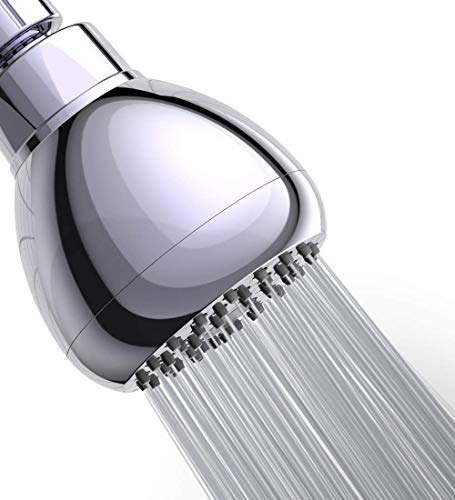
The Wassa High Pressure Shower Head is designed to provide a rejuvenating shower experience while conserving water. Made with premium materials and engineered for optimal water distribution, it’s one of the most popular and affordable shower heads on the market.
Key Features at a Glance
- Powerful Spray Performance: 45 precision-engineered nozzles deliver consistent high-pressure water flow, even under low pressure.
- Durable Build: Constructed from premium ABS plastic with a polished chrome finish — lightweight yet long-lasting.
- Compact 3-Inch Head: Small but mighty, designed to maximize water force while minimizing waste.
- Easy Tool-Free Installation: Installs in minutes on any standard shower arm — no plumber required.
- Removable Flow Restrictor: Customizable flow rate for your preferred water pressure and efficiency.
- Self-Cleaning Silicone Jets: Prevent mineral buildup for easier maintenance and longer life.
Performance and Water Pressure
The Wassa shower head is engineered for high pressure performance, especially useful for homes with low water pressure. The concentrated spray pattern creates a powerful yet comfortable stream that rinses quickly and thoroughly — perfect for washing thick hair or soothing sore muscles.
Even with its strong output, it maintains water efficiency (around 2.5 GPM), helping you save on utility bills without compromising on performance.

Design and Build Quality
The chrome finish adds a modern and clean look to any bathroom. Despite being lightweight, the ABS material feels sturdy and resists rust and corrosion. The self-cleaning rubber nozzles also reduce lime and hard-water buildup, which is ideal for long-term durability.
Installation Tips
Installing the Wassa High Pressure Shower Head is simple:
- Unscrew your old shower head.
- Wrap the shower arm threads with Teflon tape (included).
- Screw on the new Wassa head — hand-tighten securely.
- Adjust the spray angle to your liking, and you’re ready to enjoy!
Pros and Cons
Pros | Cons |
|---|---|
Excellent water pressure, even in low-pressure homes | Fixed spray pattern (no multiple settings) |
Easy, tool-free installation | Plastic construction (not metal) |
Compact and space-saving design | Slightly loud at full pressure |
Affordable and durable | May require removing flow restrictor for max pressure |
Water-efficient and eco-friendly | Basic appearance (functional over fancy) |
Customer Feedback and Popularity
The Wassa High Pressure Shower Head is highly rated across major retailers like Amazon, earning praise for its impressive pressure, easy setup, and consistent performance. Many users mention that it feels like a spa upgrade for an affordable price.
Troubleshooting & Maintenance: Keeping Your Wassa High Pressure Shower Head Performing Like New
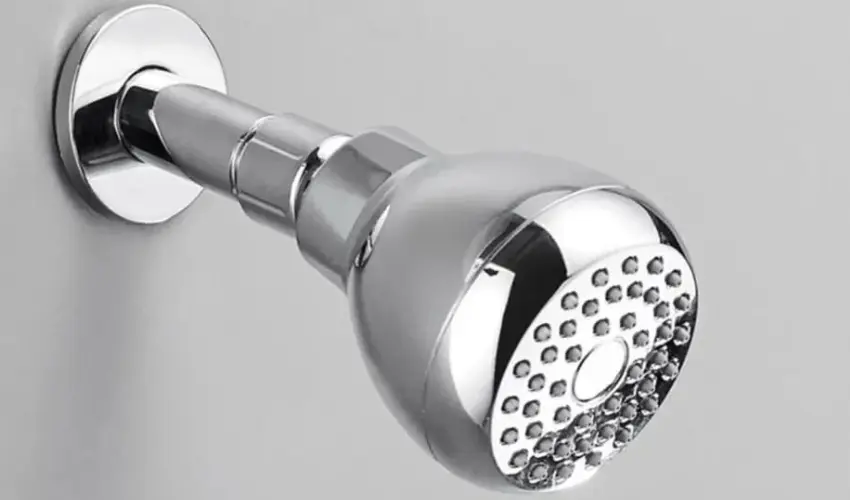
Regular maintenance ensures your Wassa High Pressure Shower Head continues to deliver powerful, consistent water flow. Here are some simple troubleshooting and cleaning tips to keep it performing at its best:
Low Water Pressure or Weak Spray
Possible Causes:
- Mineral buildup in the nozzles
- A clogged or partially blocked flow restrictor
- Low water supply pressure in your home
Solutions:
- Clean the nozzles: Rub the silicone jets gently with your fingers to dislodge any mineral deposits.
- Remove and rinse: Unscrew the shower head and rinse it under running water to clear debris.
- Optional: Remove the flow restrictor inside the connection if your home has extremely low water pressure. (Just note this may increase water usage.)
How to Clean a Wassa Shower Head
To remove mineral buildup and keep the spray strong, do a deep clean every few months:
- Detach the shower head from the arm.
- Fill a bowl or plastic bag with equal parts white vinegar and water.
- Soak the shower head for 30–60 minutes.
- Rinse thoroughly and reattach.
This natural cleaning method dissolves limescale, improving both pressure and water flow.
Leaking Around the Shower Arm
Cause: Loose connections or worn-out Teflon tape.
Fix:
- Unscrew the shower head, clean the threads, and apply fresh Teflon tape (included with the Wassa shower head).
- Reinstall and hand-tighten until secure — avoid over-tightening, which may damage the threads.
Uneven Spray or Blocked Nozzles
Fix:
If certain jets are not spraying evenly, soak the head in vinegar and gently poke the nozzles with a toothpick to remove any buildup.
The self-cleaning silicone jets make this an easy, no-fuss process.
Maintaining the Finish
To preserve the sleek chrome or matte finish, wipe the shower head with a soft cloth after each use. Avoid using harsh chemicals or abrasive cleaners, as they can dull the surface over time.
Pro Tip: Perform a quick “vinegar rinse” every 2–3 months if you have hard water. This small effort will extend your shower head’s life and maintain that invigorating, high-pressure feel every day
Is the Wassa Shower Head Right for You?
If you’re looking for:
- A quick, budget-friendly upgrade
- Better shower pressure in low-flow homes
- Simple, reliable performance
Then the Wassa High Pressure Shower Head is an excellent choice. It combines efficiency, power, and affordability in one compact package — perfect for apartments, RVs, or small bathrooms.
Final Words
The Wassa High Pressure Shower Head delivers big performance in a small design. It’s one of the most effective and affordable ways to transform your daily shower into a refreshing, high-pressure experience.
Whether you want a quick rinse or a relaxing end to your day, this shower head provides comfort and reliability that outperforms its price tag.
Frequently Asked Questions
Does the Wassa High Pressure Shower Head really increase water pressure?
Yes — the Wassa High Pressure Shower Head is specifically engineered to maximize water flow efficiency. It uses 45 precision nozzles and a pressure-boosting internal design to create a powerful spray even in homes with low water pressure. While it doesn’t technically increase water pressure from the pipes, it concentrates the flow, giving you a much stronger and more satisfying shower experience.
Is the Wassa shower head easy to install without tools?
Absolutely! The Wassa shower head offers tool-free installation — no plumber or special equipment required. Simply unscrew your old shower head, wrap the new shower arm threads with Teflon tape (included), and hand-tighten the new head. The process typically takes under 5 minutes, making it a perfect DIY-friendly upgrade.
Can I use the Wassa High Pressure Shower Head with hard water?
Yes, you can. The self-cleaning silicone nozzles on the Wassa shower head are designed to resist and remove mineral buildup caused by hard water. For best performance, gently rub or wipe the nozzles every few weeks to prevent clogging. This ensures your shower maintains strong and consistent pressure over time.
Does the Wassa High Pressure Shower Head save water?
Yes. Despite its strong spray, the Wassa High Pressure Shower Head uses approximately 2.5 gallons per minute (GPM) — meeting EPA WaterSense standards for efficiency. This means you get a powerful shower experience while still conserving water and reducing utility bills. You can also remove the built-in flow restrictor if you prefer maximum water output.
Is the Wassa shower head adjustable or does it have multiple spray settings?
The Wassa shower head features a fixed, high-pressure spray pattern, optimized for consistent performance rather than variety. However, it includes an adjustable swivel ball joint, allowing you to easily change the angle and direction of the water stream for personalized comfort. If you prefer multiple spray modes (e.g., massage or mist), you might consider pairing it with a handheld shower attachment.
1 thought on “Wassa High Pressure Shower Head: All You Need To Know”
Comments are closed.